I love using picture books in my classroom. Yes, I know my fifth graders might seem a little old for picture books, but I only pick books with an academic purpose. Sometimes the purpose is to introduce a concept, other times it is for a mini-lesson.
Here are some of my favorites :)
(Historical Texts)
This is great for discussing historical myths and the American Revolution. The book talks about John Adams, Paul Revere, George Washington, Benjamin Franklin and Thomas Jefferson. My students really like the story line and the book provides lots of factual information. This book is highly recommended :)
This is out of date, but still good to review some of the older presidents:
Just make sure you mention President Barack Obama as well!
This is another great book by one of my favorite authors.
This book addresses the issue of slavery.
(Science Texts)
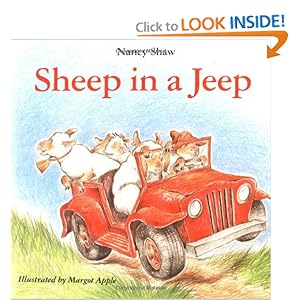
This is great to review the concepts of force and motion. I had students follow along with toy cars at their table teams and discuss what would happen next. We reviewed friction, inertia and Newton's Laws of motions. Not bad for a picture book!
Bonus: here is the story on you tube :)
This goes great for environments and food chains.
The book lends itself well to discussions and the creation of food webs.
(Writing Texts)
Students not only loved the plot of this story, but that they could interact with the text by editing for punctuation. After reading this, I displayed the image under the ELMO and my students worked in table teams to return the missing punctuation to the story to add meaning. They got super excited about editing, which is always a plus!
This one is great for persuasive writing and students can really relate to the premise!
This cute picture book is great for homophones!
This book looks at the importance of word choice which helps all writers improve!
This can also work for vocabulary and shades of meaning, both of which are concepts that many students struggle with in the upper grades.
Reading Texts
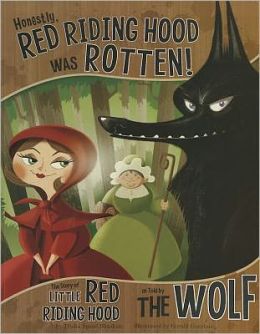
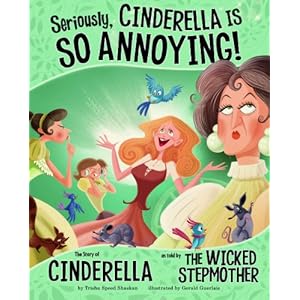
I used these books to discuss alternative points of view and how the narrator's perspective shifts the story (aligning with RL5.6). These books were highly amusing and prompted my students to want to re-write their own versions of their small group novels. For example, one group rewrote part of Harry Potter from Draco Malfoy's perspective. I also loved that there were four different books providing a different mentor text for almost the entire week. Repeated exposure really helps solidify the concepts!
For helping students make inferences, I'd recommend this book:
Students have some great discussions on this book :) Bonus, you can review the seasons!
This book serves two purposes, which is great because time is always limited.
You can use this picture book to review text structure as well as punctuation. I love when reading and writing align!
The next books are great for vocabulary acquisition, which is part of the Common Core State Standards:
The importance of vocabulary in a fun way :)
This book is sure to inspire your class (or school) to have their own vocabulary parade! For more information, visit the author's website here.
To review the importance of using reference materials, I'd recommend:
Just make sure your students know not to eat books :)
This gem is self explanatory
but still works as a great review for genres.
Math
Place Value:
This book nicely combines science visuals of the universe and math concepts of place value. I use this at the beginning of the year to build background knowledge and as a formative assessment to see students' understanding of number sense.
Beginning of the Year Classics
Ms. Nelson is always a classic!
I read this book in the first few days of school (while wearing a black dress of course!) and discuss classroom rules. It's a great introduction to classroom norms and community building.
I love this author and this book does a great job of addressing different student learning styles.
We discuss that learning is a journey and some students just need more time than others.
To help students deal with their emotions appropriately, I always read
during the first week of school. Students then brainstorm ways that they can deal with their own terrible, horrible, no good, very bad days. I took the concept of an Alexander day one step further by making Australian flags. If students are having one of those days, they simply place a flag on their desk to indicate to others that they are feeling sensitive. My students really responded well to the idea and didn't abuse the flags. Here is another example of a teacher using the flag concept:
We also read
and discuss the importance of individuality. Plus it's a great way to apologize to students for accidentally mispronouncing their names!
Another great read for social responsibility and classroom rules is:
I'd highly recommend this book because it forces students to look at their own behavior and accept responsibility...a social skill that often needs fostering :)
This is slightly juvenile, but does a great job at stressing the difference between tattling and informing.
We all want safe classrooms, but students also need to learn to solve some of their own problems.
I love this book not only to briefly review land forms, but also to reinforce norms for listening and speaking:
Students often have volcano-like mouths but this book helps highlight the importance of taking turns.
What suggestions would you add?
-Ms. Vice








.jpg)


