My first few years of teaching, I was guilty of spending too much money on my classroom. Most of it stemmed from having a real adult salary for the first time with minimal expenses, but I also wanted my students to feel loved and cared for. I was at a title 1 school so my students didn't come in with everything they needed. I had a bit of a savior complex and that hurt, financially. I spent more than I should have on more than one occasion.
I visited the dollar store and target dollar section to stock up my prize bin. I spent a lot on crayons, pencils, and various other trinkets. I bought flavored lip glosses and stretchy bracelets. Of course I wish my students were intrinsically motivated to make good choices, but let's be realistic. They're ten. They thrive on positive reinforcement and small goodies. I picked up some freebies from various places. My students look forward to the prize bin, but many of the "good" prizes are snatched up quickly. Some of the original things I bought are still sitting in the treasure box.
So I changed up my strategy. I didn't want to keep restocking the prize bin, especially when I was still funding some of their classroom supplies and paying for other classroom rewards.
So I switched to coupons. Yes, coupons. Some of them are for individual rewards and some of them are for class experiences. I'm still in the process of updating them to post on TpT, but some of the coupons are:
-extra iPad time
-extra computer time
-extra recess time
-sit with a friend for the day
-sit in the teacher's rolling chair for the day
My students love these coupons. My favorite part? The rewards are free!

Showing posts with label life lessons. Show all posts
Showing posts with label life lessons. Show all posts
Saturday, January 3, 2015

Wednesday, January 29, 2014
Motivational Posters
Since a majority of my room is covered with anchor charts and student work, there isn't much room left over for motivational posters.
However, I do have these two displayed at the front of the room:

For me, effort is everything. I'm an inclusion teacher and I know my students have a wide variety of current levels. I also know that it doesn't matter where they start, but where they finish with me. Because we are standards-based with the Common Core (although I'm supposed to call them the Nevada Academic Content Standards, or NACS for short...I'm still getting used to the new acronym), my students have through June to master concepts. This means a lot of spiraled reteaching and frequent opportunities for students to demonstrate mastery of concepts.
I would rather a student try a math worksheet, miss every problem and learn from those mistakes than simply write "IDK" or leave the sheet blank. Not trying isn't cool! At least that's the focus of our life skill this week.
Second, I really like our THINK poster. We are a be kind school and I think it's important that students realize not every thought in their brains needs to be verbalized. Not that their thoughts aren't important, but sometimes they don't say the nicest things to one another and that's simply not okay in my classroom. I do my best to create an educational environment where students feel supported, encouraged and safe. Negative words take away from our community.
I think we all, kiddos and adults included, need to pause to THINK before speaking some times. The world just might be a slightly brighter place for it!
However, I do have these two displayed at the front of the room:
For me, effort is everything. I'm an inclusion teacher and I know my students have a wide variety of current levels. I also know that it doesn't matter where they start, but where they finish with me. Because we are standards-based with the Common Core (although I'm supposed to call them the Nevada Academic Content Standards, or NACS for short...I'm still getting used to the new acronym), my students have through June to master concepts. This means a lot of spiraled reteaching and frequent opportunities for students to demonstrate mastery of concepts.
I would rather a student try a math worksheet, miss every problem and learn from those mistakes than simply write "IDK" or leave the sheet blank. Not trying isn't cool! At least that's the focus of our life skill this week.
Second, I really like our THINK poster. We are a be kind school and I think it's important that students realize not every thought in their brains needs to be verbalized. Not that their thoughts aren't important, but sometimes they don't say the nicest things to one another and that's simply not okay in my classroom. I do my best to create an educational environment where students feel supported, encouraged and safe. Negative words take away from our community.
I think we all, kiddos and adults included, need to pause to THINK before speaking some times. The world just might be a slightly brighter place for it!
Saturday, January 18, 2014
Weekly Strategies
I've said it before and I'll say it again:
We've got a lively bunch of fifth graders. They're quite opinionated and talkative, which is great...except when it's my turn. It's an uphill struggle and we have daily talks about not wasting our valuable learning time.
To be fair, as frustrating as it can be at times, I'd rather have too much participation from them as opposed to bumps and lumps.
My neighboring teacher started doing a "weekly focus" with her class and since it was working, I decided to give it a try myself!
I pose a challenge to my students and this social skill is what we work on for the week.
For the past two weeks, it was following instructions the first time they were given. They did a fairly good job with this, so we were ready for a new challenge.
Next week's challenge:

I noticed that some of them were simply writing IDK (I don't know) on parts of their math homework and turning it in.
Now, I'm not asking for 100% accuracy. I'm asking for effort. After all, one of our class mottos is:

I'd rather they try and learn from their misconceptions than not try at all. We'll have this chat again next week. It's okay not to know. It's not okay not to try!
We've got a lively bunch of fifth graders. They're quite opinionated and talkative, which is great...except when it's my turn. It's an uphill struggle and we have daily talks about not wasting our valuable learning time.
To be fair, as frustrating as it can be at times, I'd rather have too much participation from them as opposed to bumps and lumps.
My neighboring teacher started doing a "weekly focus" with her class and since it was working, I decided to give it a try myself!
I pose a challenge to my students and this social skill is what we work on for the week.
For the past two weeks, it was following instructions the first time they were given. They did a fairly good job with this, so we were ready for a new challenge.
Next week's challenge:
I noticed that some of them were simply writing IDK (I don't know) on parts of their math homework and turning it in.
Now, I'm not asking for 100% accuracy. I'm asking for effort. After all, one of our class mottos is:
I'd rather they try and learn from their misconceptions than not try at all. We'll have this chat again next week. It's okay not to know. It's not okay not to try!
Terrible, Horrible, No Good, Very Bad Days
I had a rough day. I'd go as far as saying it was a terrible, horrible, no good very bad day and like Alexander, I was ready to pout. Nothing was going right. As a teacher, it's kind of expected to always have a happy face but teaching is hard. Some days, it's really, really hard.

Granted, teacher problems were slightly more complex than not getting the right shoes, but I get Alexander's frustration too. I was having a terrible, horrible, no good, very bad day. Scratch that, I had five of them in a row. It was rough week. There wasn't a day I worked less than 12 hours.

As an educator, it happens.
I'm just relieved it's over and I'm in the midst of a relaxing (and reflective) 3 day weekend.
I got a new student at the last minute. The stress of preparing for a new kiddo is rough. Our district has the policy that a student sits the day he or she is enrolled. In theory, that's wonderful for the student so they don't miss out on another day of learning.
But for a teacher, it's a tad stressful. I didn't have much notice to find a desk, chair, notebooks, various other supplies and label the necessary classroom items (desk, behavior tracker, file, whiteboard marker, etc) for him. I knew we had to quickly do a formative diagnostic assessment to figure out which reading room he'd be in, then the opposite period for math, find out if he was in the RTI process or already had an IEP because that also determined which room to place him in depending on the levels of instructional support. I must say, it's lots of thinking for so early in the morning! He wasn't the only new student we got this week either.
I wanted him to feel welcome in my classroom the moment he sat, and that meant some scrambling on my behalf because there was about twenty minutes notice. But he had a great first day, a great first week and was always smiling. He's happy to be here, knew about number talks and phonics (score!) and I'm glad he's here. Sometimes I wish I had a tiny bit more time to prepare for new students' arrival.
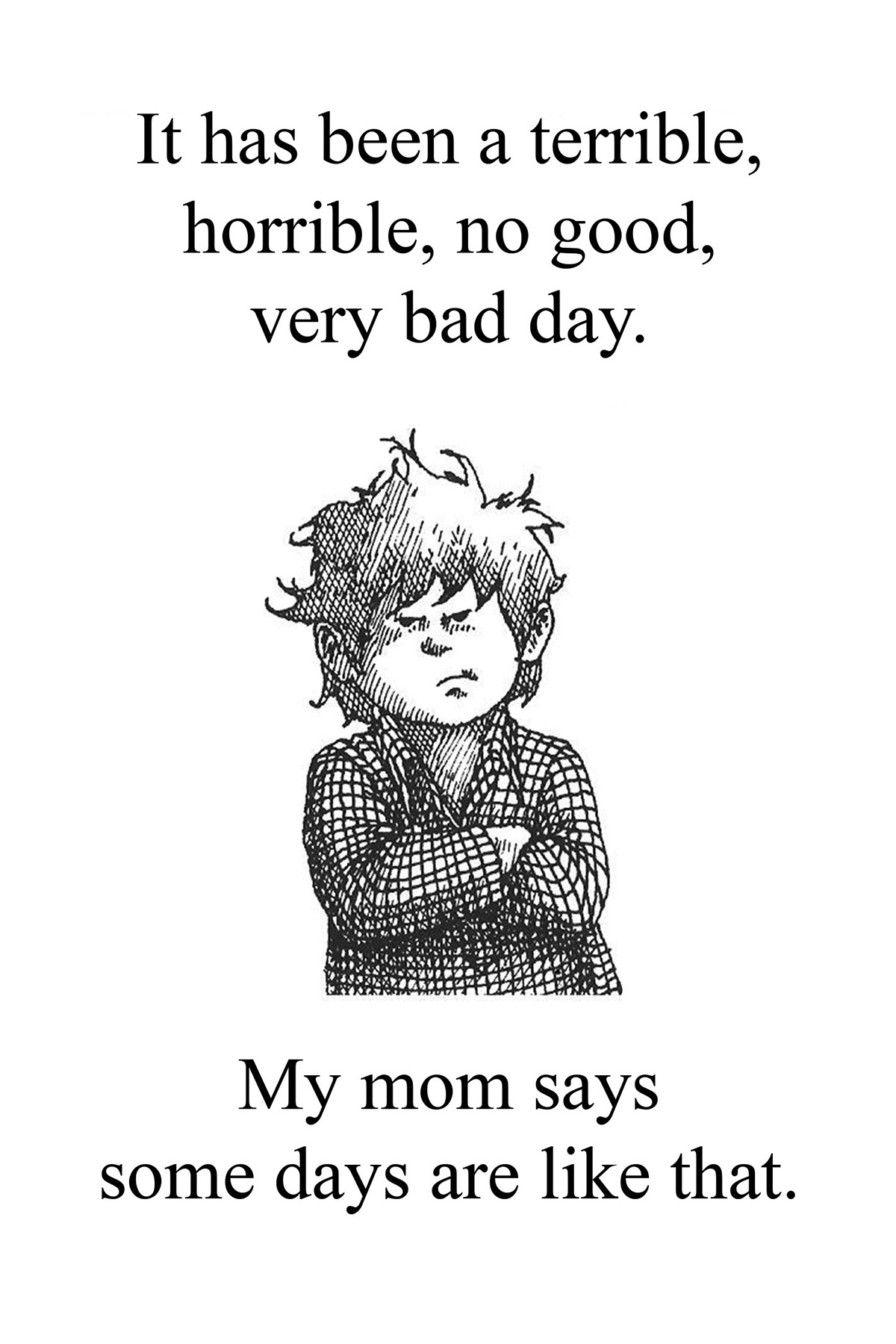
I'm in the process of DRA'ing my students in small groups and well, it's time consuming and there's a lot of them. I know it's useful information and I cut out phonics this week to make extra time for it, but I didn't finish and have to continue testing into next week. Part of this is my fault because I was unwilling to go a week without meeting with my students to discuss their novels. More importantly, they were unwilling to go a week without meeting. I'm not kidding when I say there would be lots of pouting, some tears and borderline rebellion (district 13 style) if I told them that sorry, we'll have to wait until next week to talk about The Miserable Mill, the Austere Academy, Hatchet, Harry Potter (1 and 2), Mockingjay, Brian's Winter, Number the Stars, Gossamer, Maniac Magee and Tiger Rising. They become slightly hostile if they aren't given the chance to talk about what happened in their books. This is a wonderful problem to have and as an educator, I wasn't going to fully cut this opportunity for them to replace it with assessments. I compromised and shortened our meetings, allowing them to finish without me in the hallway and DRA'd in between. I didn't finish their assessments, but I also got to see that most of my groups could handle having their own lit circle...which was great.
Battle of the books also started this week and because it was so fun on Wednesday, I had about eight more kids sign up after the deadline. Of course I accepted them with open arms because they want to read and well, that's awesome.
I had to turn away one student because his frequent behavior problems are interfering with others' ability to learn. That wouldn't be fair to the students who are trying to work and read in our book club. I've had several conferences with this student's family and this student is frequently off task and argumentative in my room, so the student didn't earn the privilege of book club. I talked with my admin and fellow teachers, who were all in support of the decision. However, it was a very heartbreaking conversation to have.
We sat in the hallway and talked about all the choices that were made and how these choices took away from learning time. We talked about all the second chances that had been given and how behavior hadn't changed. In life, we don't always get unlimited second chances and there are consequences to our actions. Sometimes, we don't like these consequences and that's a tough lesson to learn. I also knew that he would have been a disruption every week and that's not fair to the forty students who are so excited to sit and read. I also knew it wasn't fair for me, who is volunteering to run this club to deal with additional behavior issues with a student who has had several dozen second chances.
There were tears and that's hard for a teacher. I made him cry and I couldn't do anything to fix it. There have to be consequences, even if it's unpleasant.

My mentee is having a rough time with some students and we had a nice long chat about strategies. She feels better, which is great. I just wish I could observe her more. My prep falls during her whole group reading block so that's the only subject I've been able to see her teach. I wish I could see more.

There's some inconsistencies at our school and it's very bothersome. I'm not one to slack off and make things up, so it's very frustrating for me to see others doing so. It's very irksome to see such blatant favoritism.

Take these factors, add in a four hour class, twelve more issues, a few parent teacher conferences, shouting in the hallway (not me, two students), lots of tears and a lot of sleepless nights...and there's my week. I'm glad it's over.

But I also know I have the amazing opportunity to work with my grade level, which is filled with such dedicated teachers. I learn from these women daily and know they're also making their decisions based on what's best for students. Think of a pack of lion mamas and that's our fifth grade team :)
While collectively, they drive me slightly crazy with their talking (which is out of excitement), I do adore these fifth graders. I love at the end of the day when we fist bump on their way out and they tell me their "click" of the day. Their click is what is "staying with them" and made sense to them. Naturally, I pretend frown when they tell me it's a subject I don't teach or recess, but it's great to have them reflect on their learning and share it with me.
I also am appreciative of the support I have from other educators. My admin made the time out of her very busy schedule to talk through an issue I'd had. Through our conversation, the missing pieces of information were filled in and now I understand why the decisions were made. lt was a difficult conversation for me to bring up, sharing that I was frustrated with an outcome but through discussion, we both filled in each other's gaps and now the situation makes sense.
We also had one of our old academic coaches on campus this week and well, she's amazing. We talked through my structure of small groups and looked at the questions I was asking of my students when they read their novels. I'm doing everything right, which was nice to hear. The same amazing coach sent me inspirational texts throughout the week because she knew I was having a rough time.
She also works at her parents' restaurant which has amazing Italian food. She suggested I come in on Friday night because in her words, I deserved garlic knots, pasta and cannolis. It didn't take much arm twisting to convince my boyfriend that we needed date night since he had a rough week too and well, who doesn't love pasta? We had a wonderful relaxing meal which almost made up for the rough week. Then I found this note when I got home attached to our left overs:

It made me cry. She's the best. My grade level is the best. My students are such hard workers (most of the time) and my family and boyfriend are supportive through my tears and sometimes colorful language. One awesome friend stopped in to work to borrow something and ended up bringing me dinner since I didn't have time to run out and get food before my class. I'm thankful to not be in this alone. I'm thankful to be an educator, even though it's not always an easy road. There will be rough days. There will be terrible, horrible, no good, very bad days. But some days are like that...

...even in Australia.
(If you haven't read Judith Viorst's Alexander and the Terrible, Horrible, No Good, Very Bad Day stop what you're doing and go read it immediately. This blog post and it's images will probably make a lot more sense after!)
Granted, teacher problems were slightly more complex than not getting the right shoes, but I get Alexander's frustration too. I was having a terrible, horrible, no good, very bad day. Scratch that, I had five of them in a row. It was rough week. There wasn't a day I worked less than 12 hours.
As an educator, it happens.
I'm just relieved it's over and I'm in the midst of a relaxing (and reflective) 3 day weekend.
I got a new student at the last minute. The stress of preparing for a new kiddo is rough. Our district has the policy that a student sits the day he or she is enrolled. In theory, that's wonderful for the student so they don't miss out on another day of learning.
But for a teacher, it's a tad stressful. I didn't have much notice to find a desk, chair, notebooks, various other supplies and label the necessary classroom items (desk, behavior tracker, file, whiteboard marker, etc) for him. I knew we had to quickly do a formative diagnostic assessment to figure out which reading room he'd be in, then the opposite period for math, find out if he was in the RTI process or already had an IEP because that also determined which room to place him in depending on the levels of instructional support. I must say, it's lots of thinking for so early in the morning! He wasn't the only new student we got this week either.
I wanted him to feel welcome in my classroom the moment he sat, and that meant some scrambling on my behalf because there was about twenty minutes notice. But he had a great first day, a great first week and was always smiling. He's happy to be here, knew about number talks and phonics (score!) and I'm glad he's here. Sometimes I wish I had a tiny bit more time to prepare for new students' arrival.
I'm in the process of DRA'ing my students in small groups and well, it's time consuming and there's a lot of them. I know it's useful information and I cut out phonics this week to make extra time for it, but I didn't finish and have to continue testing into next week. Part of this is my fault because I was unwilling to go a week without meeting with my students to discuss their novels. More importantly, they were unwilling to go a week without meeting. I'm not kidding when I say there would be lots of pouting, some tears and borderline rebellion (district 13 style) if I told them that sorry, we'll have to wait until next week to talk about The Miserable Mill, the Austere Academy, Hatchet, Harry Potter (1 and 2), Mockingjay, Brian's Winter, Number the Stars, Gossamer, Maniac Magee and Tiger Rising. They become slightly hostile if they aren't given the chance to talk about what happened in their books. This is a wonderful problem to have and as an educator, I wasn't going to fully cut this opportunity for them to replace it with assessments. I compromised and shortened our meetings, allowing them to finish without me in the hallway and DRA'd in between. I didn't finish their assessments, but I also got to see that most of my groups could handle having their own lit circle...which was great.
Battle of the books also started this week and because it was so fun on Wednesday, I had about eight more kids sign up after the deadline. Of course I accepted them with open arms because they want to read and well, that's awesome.
I had to turn away one student because his frequent behavior problems are interfering with others' ability to learn. That wouldn't be fair to the students who are trying to work and read in our book club. I've had several conferences with this student's family and this student is frequently off task and argumentative in my room, so the student didn't earn the privilege of book club. I talked with my admin and fellow teachers, who were all in support of the decision. However, it was a very heartbreaking conversation to have.
We sat in the hallway and talked about all the choices that were made and how these choices took away from learning time. We talked about all the second chances that had been given and how behavior hadn't changed. In life, we don't always get unlimited second chances and there are consequences to our actions. Sometimes, we don't like these consequences and that's a tough lesson to learn. I also knew that he would have been a disruption every week and that's not fair to the forty students who are so excited to sit and read. I also knew it wasn't fair for me, who is volunteering to run this club to deal with additional behavior issues with a student who has had several dozen second chances.
There were tears and that's hard for a teacher. I made him cry and I couldn't do anything to fix it. There have to be consequences, even if it's unpleasant.
My mentee is having a rough time with some students and we had a nice long chat about strategies. She feels better, which is great. I just wish I could observe her more. My prep falls during her whole group reading block so that's the only subject I've been able to see her teach. I wish I could see more.
There's some inconsistencies at our school and it's very bothersome. I'm not one to slack off and make things up, so it's very frustrating for me to see others doing so. It's very irksome to see such blatant favoritism.
Take these factors, add in a four hour class, twelve more issues, a few parent teacher conferences, shouting in the hallway (not me, two students), lots of tears and a lot of sleepless nights...and there's my week. I'm glad it's over.
But I also know I have the amazing opportunity to work with my grade level, which is filled with such dedicated teachers. I learn from these women daily and know they're also making their decisions based on what's best for students. Think of a pack of lion mamas and that's our fifth grade team :)
While collectively, they drive me slightly crazy with their talking (which is out of excitement), I do adore these fifth graders. I love at the end of the day when we fist bump on their way out and they tell me their "click" of the day. Their click is what is "staying with them" and made sense to them. Naturally, I pretend frown when they tell me it's a subject I don't teach or recess, but it's great to have them reflect on their learning and share it with me.
I also am appreciative of the support I have from other educators. My admin made the time out of her very busy schedule to talk through an issue I'd had. Through our conversation, the missing pieces of information were filled in and now I understand why the decisions were made. lt was a difficult conversation for me to bring up, sharing that I was frustrated with an outcome but through discussion, we both filled in each other's gaps and now the situation makes sense.
We also had one of our old academic coaches on campus this week and well, she's amazing. We talked through my structure of small groups and looked at the questions I was asking of my students when they read their novels. I'm doing everything right, which was nice to hear. The same amazing coach sent me inspirational texts throughout the week because she knew I was having a rough time.
She also works at her parents' restaurant which has amazing Italian food. She suggested I come in on Friday night because in her words, I deserved garlic knots, pasta and cannolis. It didn't take much arm twisting to convince my boyfriend that we needed date night since he had a rough week too and well, who doesn't love pasta? We had a wonderful relaxing meal which almost made up for the rough week. Then I found this note when I got home attached to our left overs:
It made me cry. She's the best. My grade level is the best. My students are such hard workers (most of the time) and my family and boyfriend are supportive through my tears and sometimes colorful language. One awesome friend stopped in to work to borrow something and ended up bringing me dinner since I didn't have time to run out and get food before my class. I'm thankful to not be in this alone. I'm thankful to be an educator, even though it's not always an easy road. There will be rough days. There will be terrible, horrible, no good, very bad days. But some days are like that...
...even in Australia.
(If you haven't read Judith Viorst's Alexander and the Terrible, Horrible, No Good, Very Bad Day stop what you're doing and go read it immediately. This blog post and it's images will probably make a lot more sense after!)
Saturday, January 11, 2014
Important Conversations
I had a very important conversation with one of my small groups this week.
It's one of my higher groups (DRA 60) and they're in the middle of Suzanne Collin's The Hunger Games. They're mature enough for it and they picked it because it sounded interesting.

At our first discussion, they set up their notebooks to keep track of characters, settings, vocabulary words, etc. They were excited.
But slowly over the course of our next few meetings, their enthusiasm for the book changed. They could answer the comprehension questions, analyze characters and were fully participating...but they weren't enjoying it.
So we had the conversation about how we were truly feeling about the book. I gave them each a post-it to respond on and sent them away from one another. I stressed the importance of honestly giving feedback about the book.
When I collected back the post its, three of them didn't want to read it anymore because they simply weren't enjoying it. One still wanted to finish the novel.
So I pulled them back together and we had the important conversation: it's okay not to love every book you read. It's also okay not to finish every book you start.
They looked at me completely bewildered. I went on to explain that sometimes there will be books that you have to read the whole text, even if you don't like it. I went on to explain that our small groups were different. I wanted them to enjoy reading and to interact with literature. I wanted them to fall so in love with these characters that when we were done, they would miss them like old friends. I wanted them to become entranced with the author's word choice, to be so absorbed in their books that they simply don't hear the timer when it goes off and it's time to clean up. I want them to love reading and want to discuss literature.
For that to happen, they have to be making connections with the book they're reading.
As an adult, if I'm not feeling strongly with a book and I'm over half way through, I'll stop because I'm just not that into it. I wanted my students to know that it's okay to do the same.
I told them they gave it an honest effort (13 chapters). I told the one who wanted to finish that he would keep it until he was done and let him know what students would love to discuss the ending with him.
We are meeting again on Monday for our final conversation about the differences in the tributes' attitudes toward the Games and what it means before we switch to our new novel:

As a grade level, we ran out of time with reading The Lightning Thief. So I'm going to start my group toward the end of the novel. That will be a tad strange for me, jumping right into the end of the book but I think they'll be okay.
From there, we'll continue on through the rest of Rick Riordian's mythological series.

I haven't done the Percy Jackson with a small group yet and I'm excited for this new opportunity! I know they loved reading it out loud, so I'm hoping we have the same great conversations in our small groups :)
After our conversation, the look on their faces was priceless: relief. I told them I wish they would have addressed their concerns earlier because I don't want them to struggle to like a book they simply don't. That's not my goal for small groups.
I want them to love reading. I want to mold them into life long readers.
Tuesday, August 6, 2013
Lessons to Have with Students
I realize that as tied as I am to the Common Core State Standards, there are certain lessons I must have in my fifth grade classroom that aren't related to academics. There are specific life lessons that elementary students should get before they head out to middle school.
Lesson One: Personal Hygiene
Many of my students don't get the awkward taking care of of our bodies talk at home, so it's up to the schools to supply these life lessons. Luckily the nurse takes care of the our changing bodies talk in May, but the need for deodorant & antiperspirant comes much before that in Las Vegas. Often resisting the urge to febreeze them down at the door after PE, I subtly resorted to a knock-off Scentsy from Hobby Lobby that not only masks the fifth grade smell in my classroom, but turns the whole hallway into a tropical oasis. However, we still need to have that tough talk.
We ease into this chat by examining the prefixes "de" and "anti", so students think we are just having another chat about affixes. We talk about the purposes of deodorant and antiperspirant and how they should look for a product that contains both. I then ask students anonymously (heads down) who has talked about this with their families. Very few students raise their hands. I lovingly tell the boys that Axe doesn't replace a shower and that if they must, use one spray not four. I tell the girls that they should pick one or two scents as to not smell like the entire fruit department. Most importantly, we talk about needing to shower every day. Then it's questions time and ten awkward minutes later, we may resume with our scheduled day.
Lesson Two: "little kid" and "big kid" eyes

Based on the novel Loser by Jerry Spinelli, around page 97, the author talks about little kid and big kid eyes. Little kid eyes are full of wonder and curiousity. Little kid eyes want to learn everything. Big kid eyes start to notice things, notice differences. Big kid eyes start to judge and whisper about others. We should practice using our little kid eyes more often.
Lesson Three: Circles of control
Many of us have things in our life that we can't control, my students being no exception. This lesson goes along with Alexander and the Terrible, Horrible, No Good, Very Bad Day which we read within the first week of school. For those of you not familiar with this adorable book,

the main character has a series of frustrating things that ultimately lead to a wretched day. We talk about strategies for calming down and one of the tips is making a circle map about things that you can and cannot control, like this one:

It lends itself to important discussions about how to cope with difficult situations.
Of course, this life skill isn't a one time discussion. It's a conversation we have multiple times over the course of the year. We talk about it as a class. I talk about it with small groups after a situation. But most often, I talk about it privately with a student or two in the hall way on a case by case basis. Growing up is hard. Making good choices is difficult. But it's up to us to help guide students to make the right decisions, even though it doesn't directly align with standards.
Lesson One: Personal Hygiene
Many of my students don't get the awkward taking care of of our bodies talk at home, so it's up to the schools to supply these life lessons. Luckily the nurse takes care of the our changing bodies talk in May, but the need for deodorant & antiperspirant comes much before that in Las Vegas. Often resisting the urge to febreeze them down at the door after PE, I subtly resorted to a knock-off Scentsy from Hobby Lobby that not only masks the fifth grade smell in my classroom, but turns the whole hallway into a tropical oasis. However, we still need to have that tough talk.
We ease into this chat by examining the prefixes "de" and "anti", so students think we are just having another chat about affixes. We talk about the purposes of deodorant and antiperspirant and how they should look for a product that contains both. I then ask students anonymously (heads down) who has talked about this with their families. Very few students raise their hands. I lovingly tell the boys that Axe doesn't replace a shower and that if they must, use one spray not four. I tell the girls that they should pick one or two scents as to not smell like the entire fruit department. Most importantly, we talk about needing to shower every day. Then it's questions time and ten awkward minutes later, we may resume with our scheduled day.
Lesson Two: "little kid" and "big kid" eyes
Based on the novel Loser by Jerry Spinelli, around page 97, the author talks about little kid and big kid eyes. Little kid eyes are full of wonder and curiousity. Little kid eyes want to learn everything. Big kid eyes start to notice things, notice differences. Big kid eyes start to judge and whisper about others. We should practice using our little kid eyes more often.
Lesson Three: Circles of control
Many of us have things in our life that we can't control, my students being no exception. This lesson goes along with Alexander and the Terrible, Horrible, No Good, Very Bad Day which we read within the first week of school. For those of you not familiar with this adorable book,
the main character has a series of frustrating things that ultimately lead to a wretched day. We talk about strategies for calming down and one of the tips is making a circle map about things that you can and cannot control, like this one:
It lends itself to important discussions about how to cope with difficult situations.
Of course, this life skill isn't a one time discussion. It's a conversation we have multiple times over the course of the year. We talk about it as a class. I talk about it with small groups after a situation. But most often, I talk about it privately with a student or two in the hall way on a case by case basis. Growing up is hard. Making good choices is difficult. But it's up to us to help guide students to make the right decisions, even though it doesn't directly align with standards.
Subscribe to:
Posts (Atom)